跳至主要内容

安装Oracle WebCenter Sites 12c (part 2)

4. 运行RCU,创建数据库
RCU是FMW 12c系列与之前版本最大的区别,在新的版本中,RCU已集成在Oracle Fusion Middleware Infrastructure中,所以只需安装Oracle Fusion Middleware Infrastructure,就可以开始配置FMW应用所需的数据库。
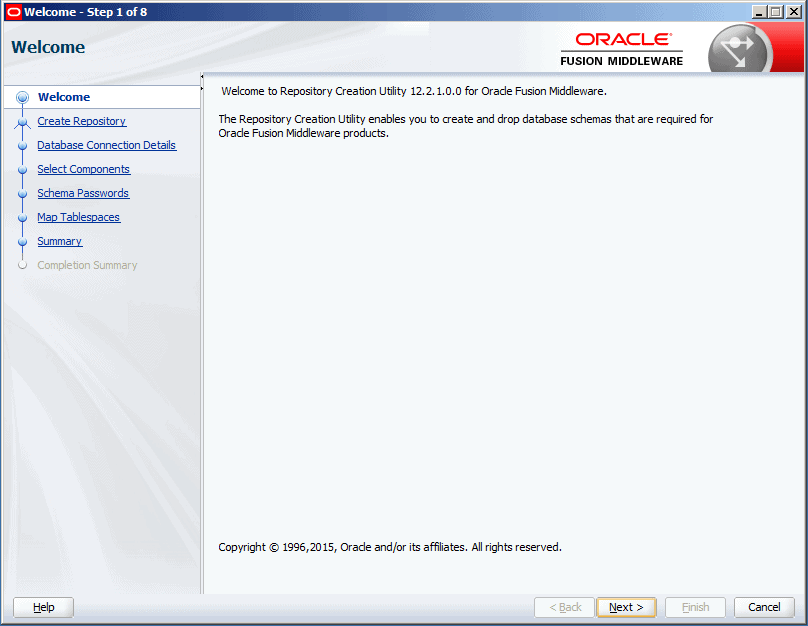
在Oracle Home的oracle_common\bin目录下,运行rcu.bat,开始创建WebCenter Sites所需的表空间。
4.1 运行RCU,开始创建向导
wcs30
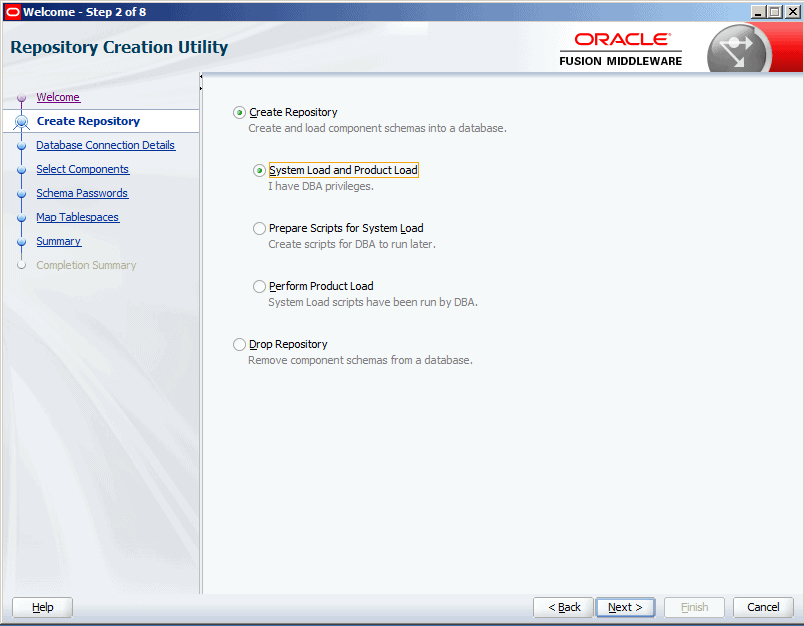
4.2 创建Repository
选择Create Repository-->System Load and Product Load, 点Next.
wcs31
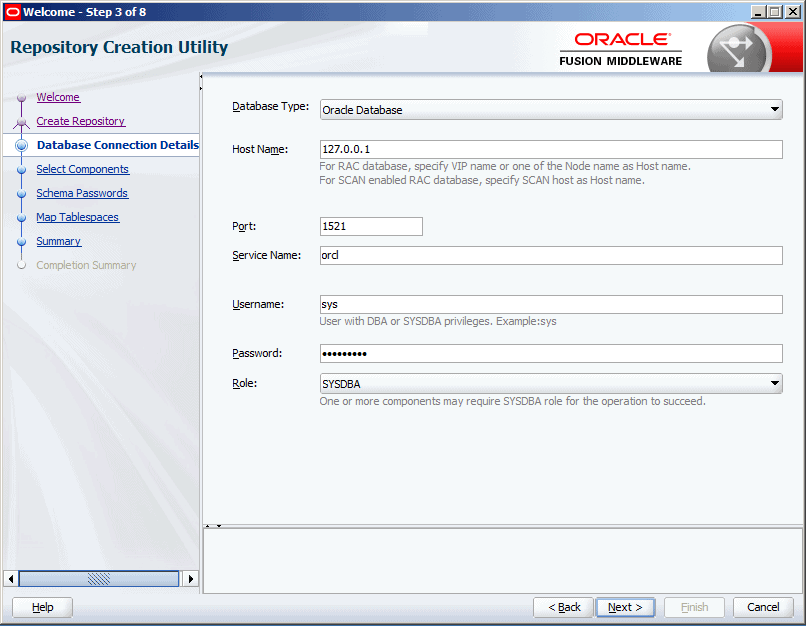
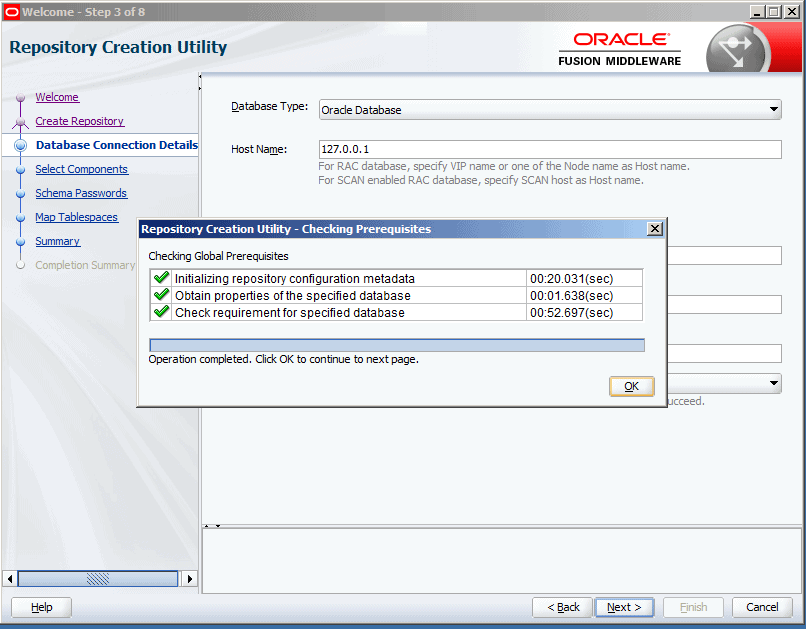
4.3 数据库连接信息
输入Oracle数据库的连接信息,点击Next.
wcs32
wcs33
注意如果使用XE的话,数据库检查会报错,只要点击忽略就可以继续。
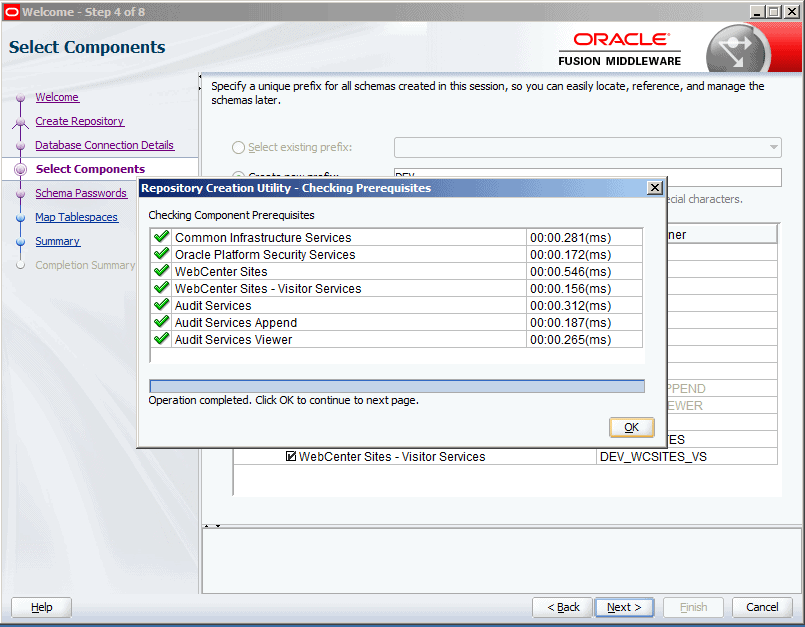
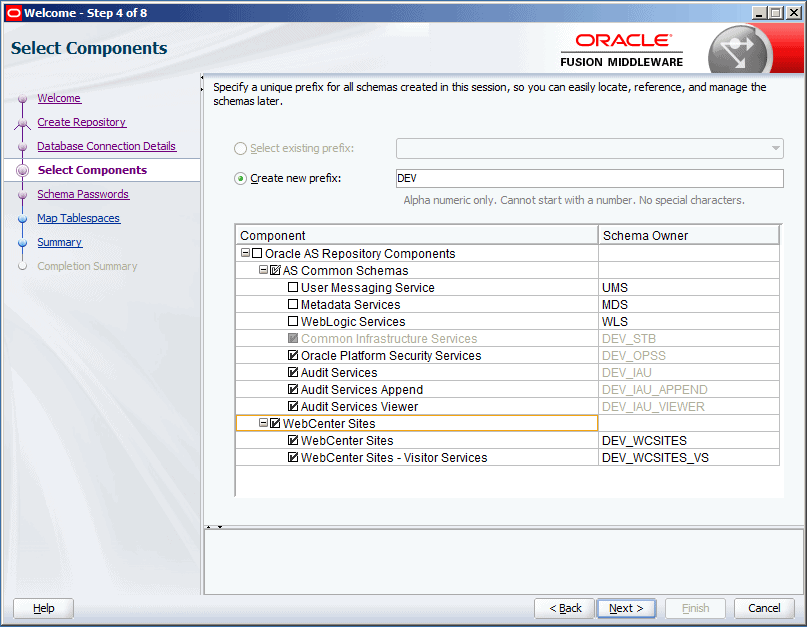
4.4 选择安装组件
勾选WebCenter Sites,其它所需组件会自动先上,确认后点击Next.
wcs34
通过先决条件检查后点OK确认。
wcs35
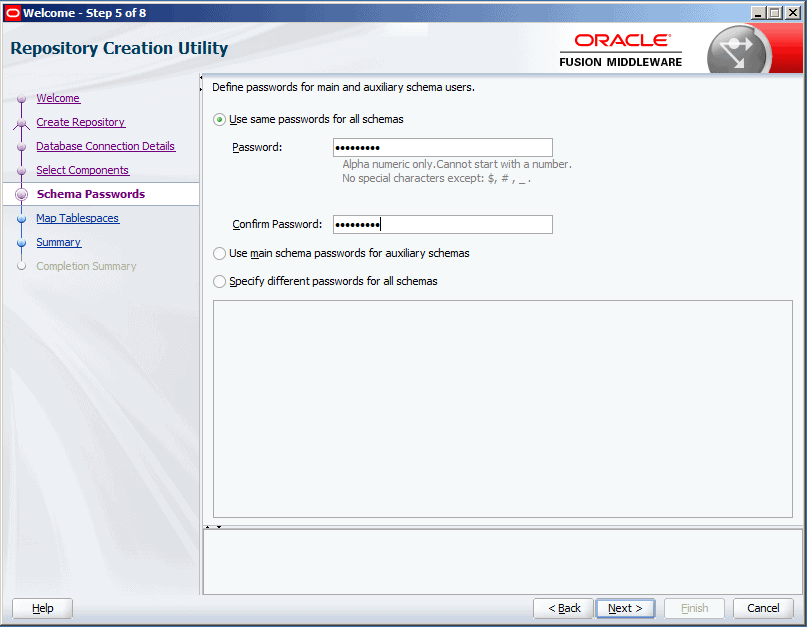
4.5 设置Schema的密码
输入并确认Schema的密码后点Next.
wcs36
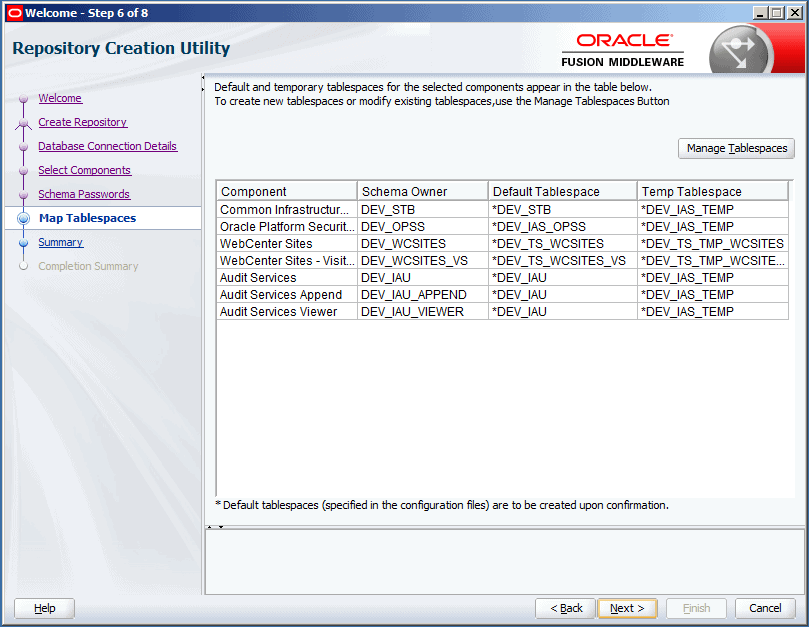
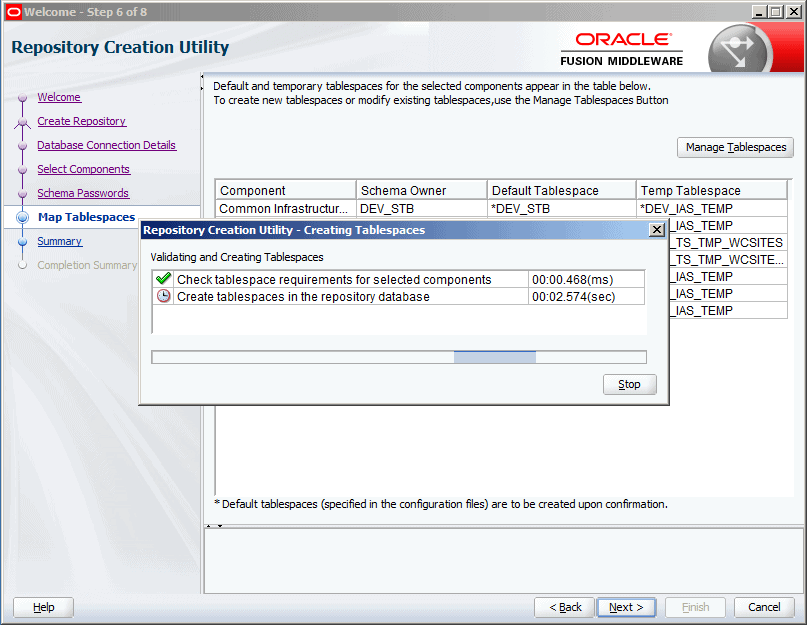
4.6 表空间信息确认并创建表空间
确认表空间信息无误,点击Next.
wcs37
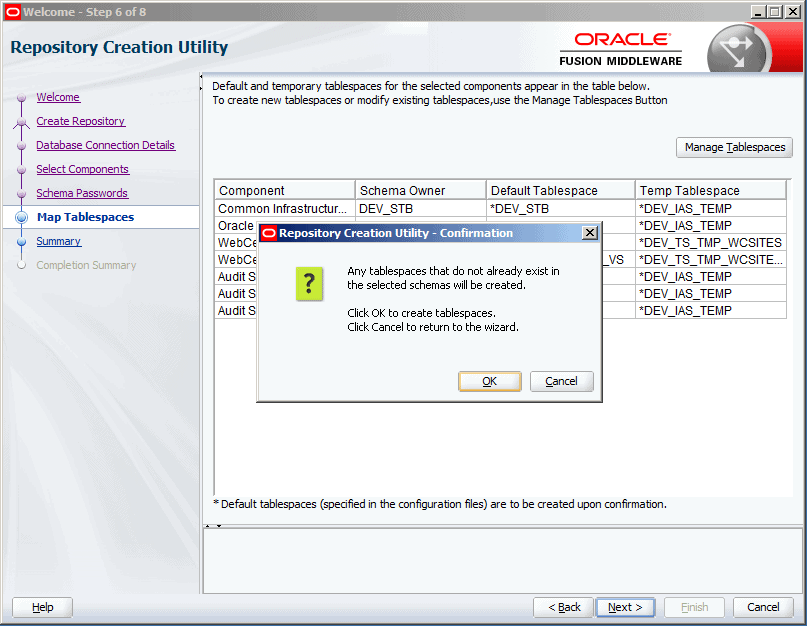
检查后点击OK。
wcs38
开始创建不存在的表空间,完成后点OK,再点Next。
wcs39
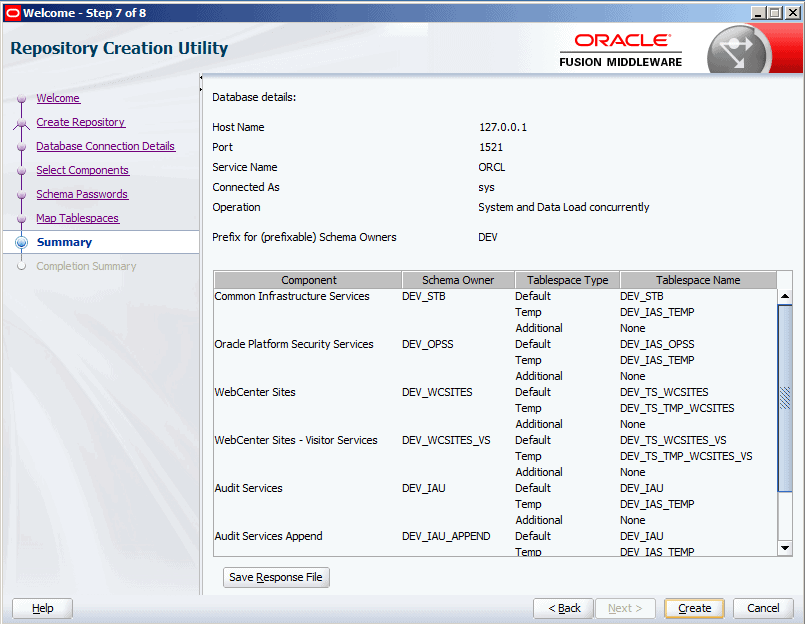
4.7 RCU汇总并创建所需的表
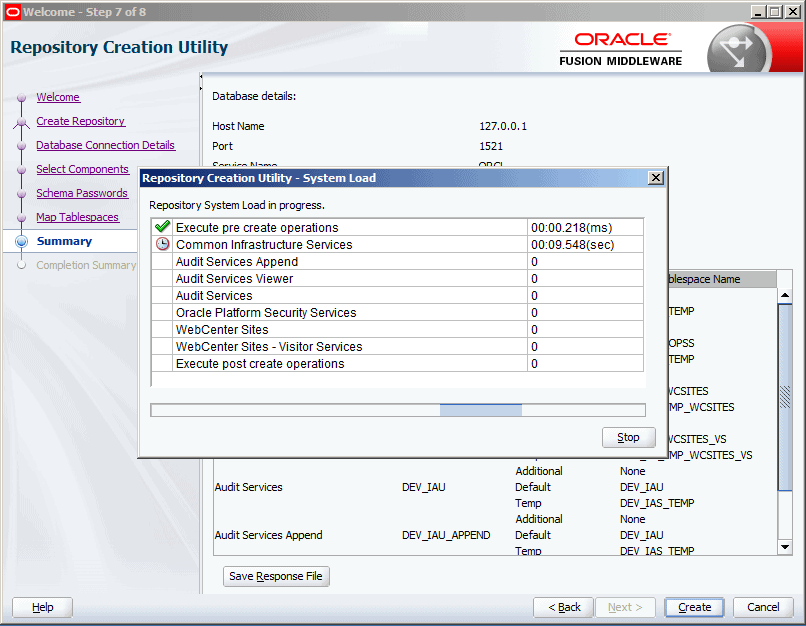
确认信息无误后点Create,创建WebCenter Sites所需的表。
wcs40
开始创建所需的组件。
wcs41
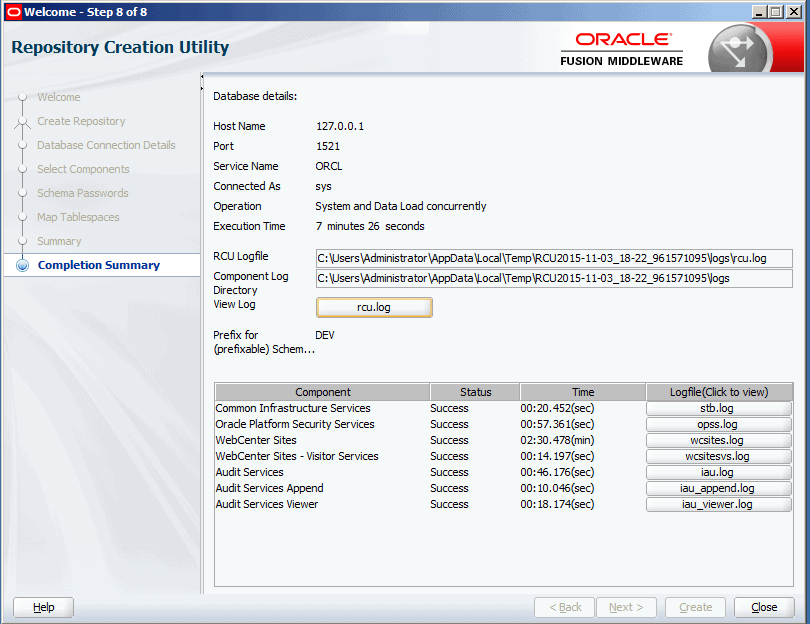
4.8 完成RCU安装
完成RCU安装,点Close.
wcs42
5. 创建Oracle WebCenter Sites域
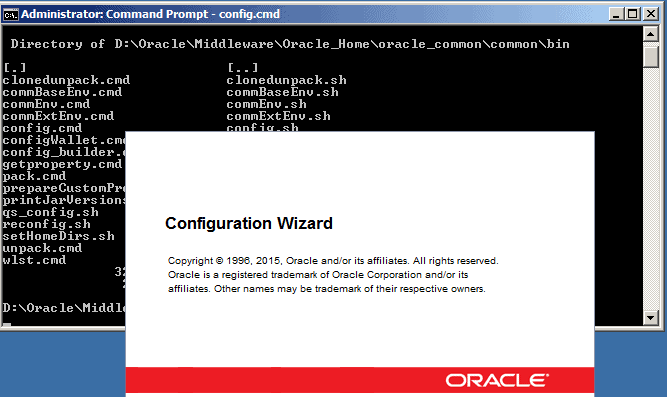
5.1 运行config.cmd,开始域创建向导
运行Oracle Home目录下的oracle_common\common\bin\config.cmd。
wcs43
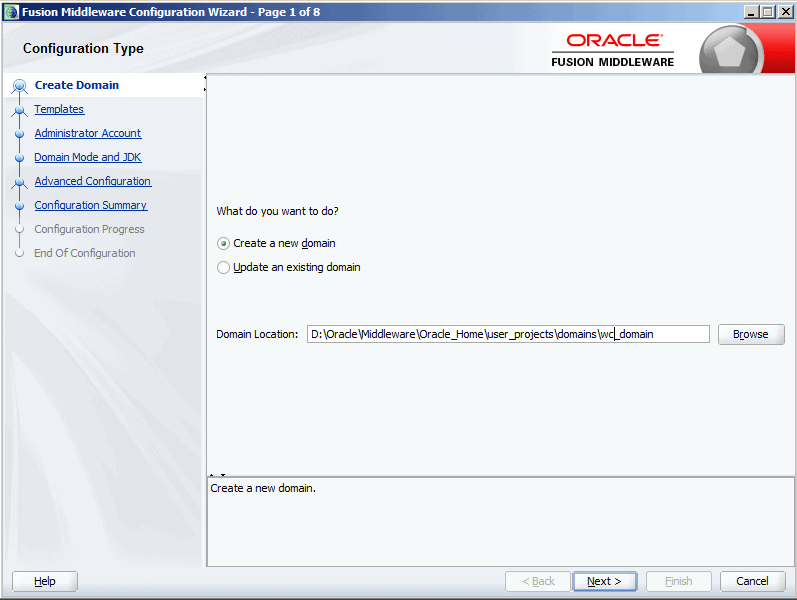
选择创建新Domain,Next.
wcs44
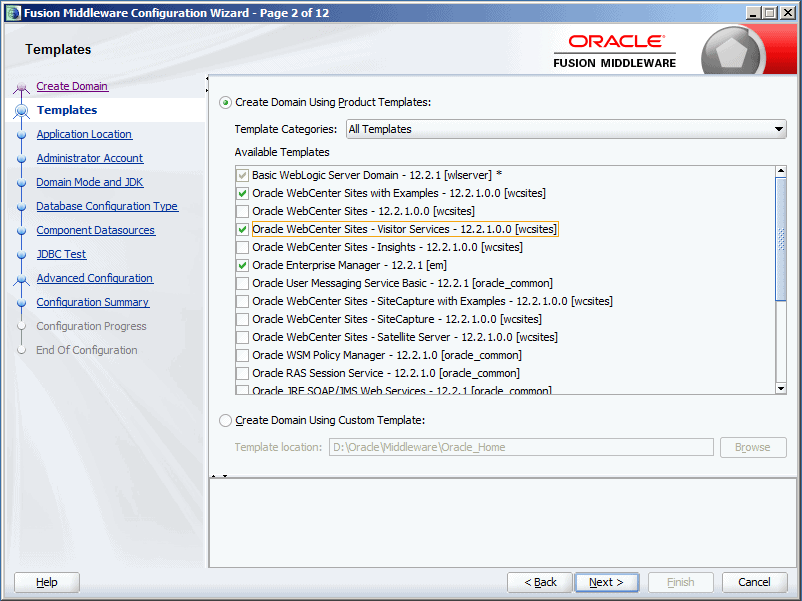
5.2 选择域使用的模板
选择Oracle WebCenter Sites with Examples, Oracle WebCenter Sites - Visitor Services, Oracle Enterprise Manager,点Next.
wcs45
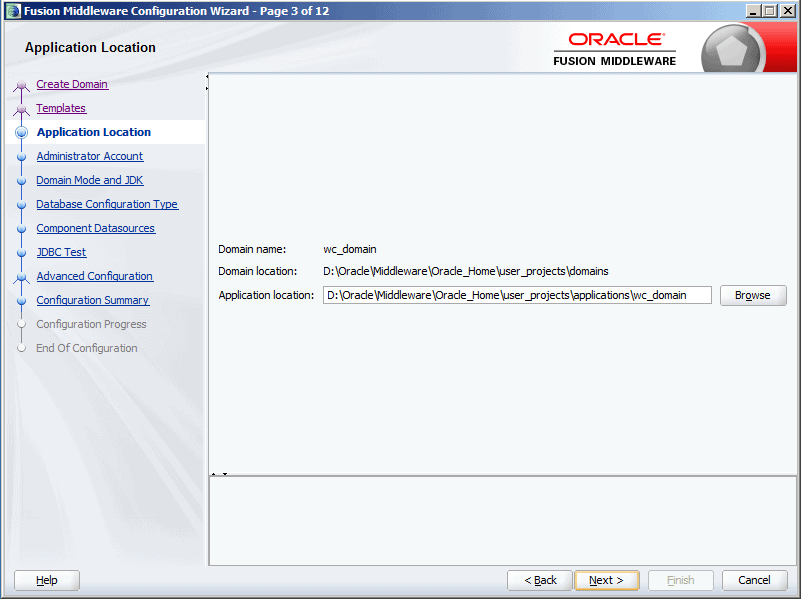
5.3 应用位置
点Next.
wcs46
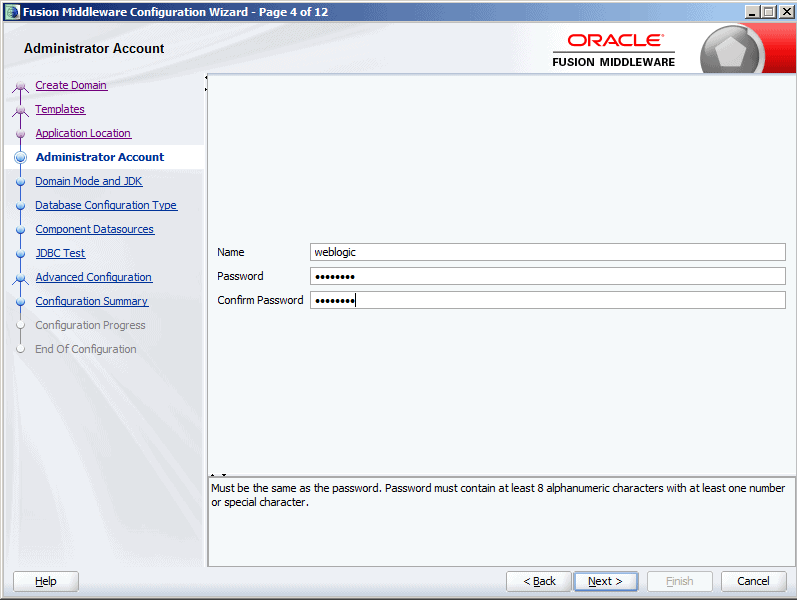
5.4 设置域管理员账号密码
输入域管理员的账号密码,点Next.
wcs47
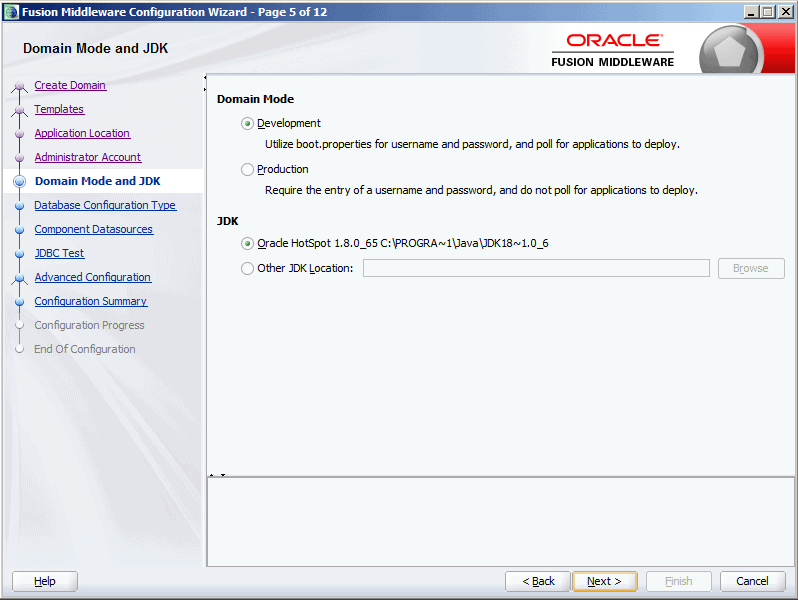
5.5 Domain模式和JDK
选择所需模式及JDK后点Next.
wcs48
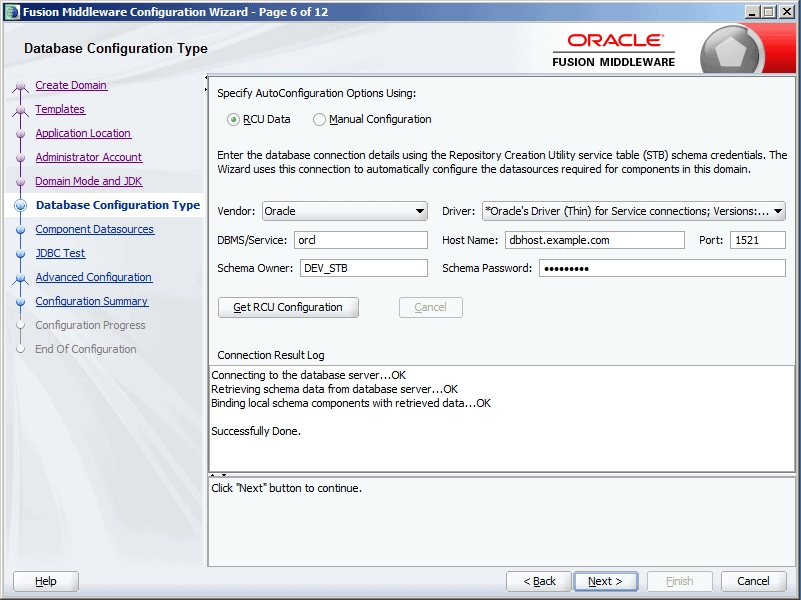
5.6 数据库连接配置
输入数据库密码后点击Get RCU Configuration,测试数据库连接没问题后点Next.
wcs49
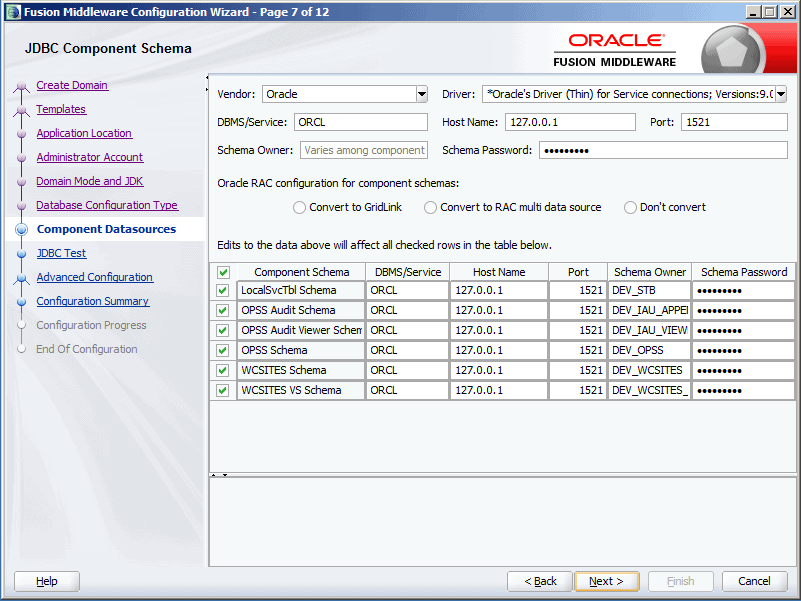
5.7 组件数据源连接设置
输入组件数据源的数据库连接信息,点击Next。
wcs50
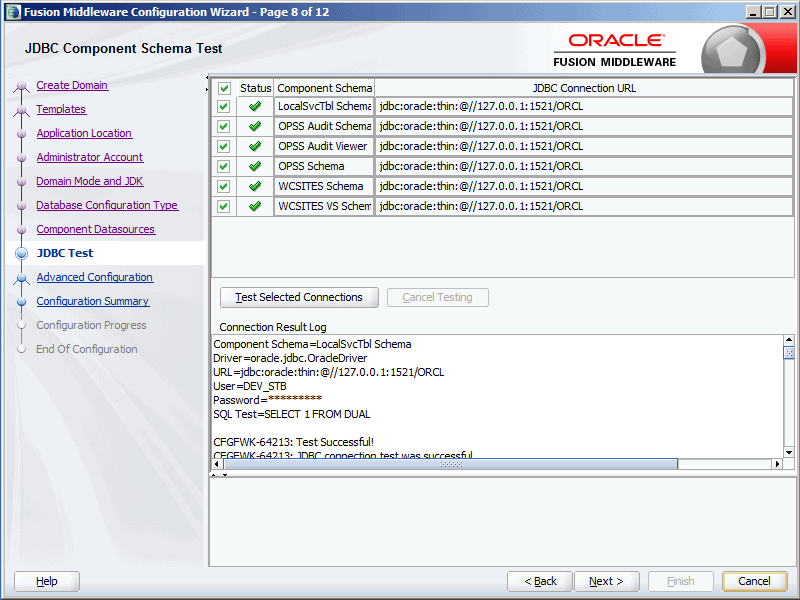
5.8 JDBC测试
JDBC测试成功后点Next.
wcs51
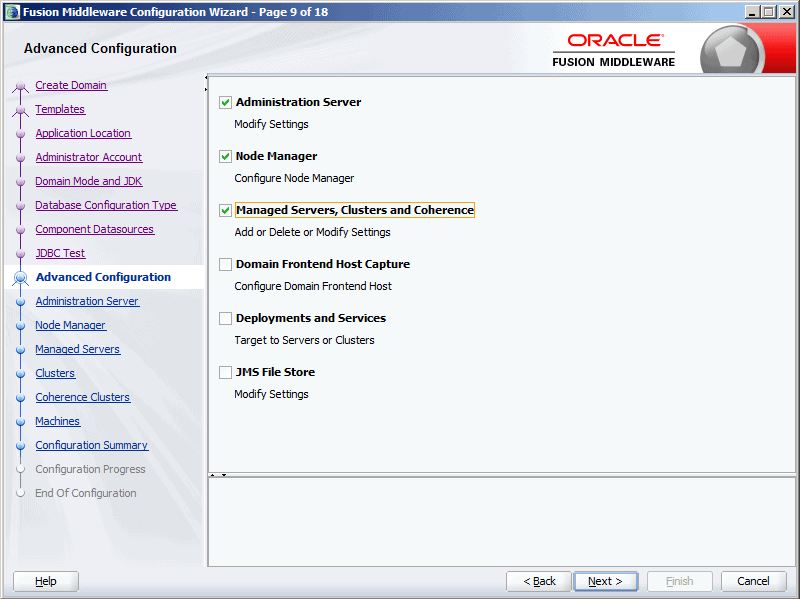
5.9 Advanced Configuration
Advanced Configuration选择Administration Server, Node Manager和Managed Servers, Clusters and Coherence.
wcs52
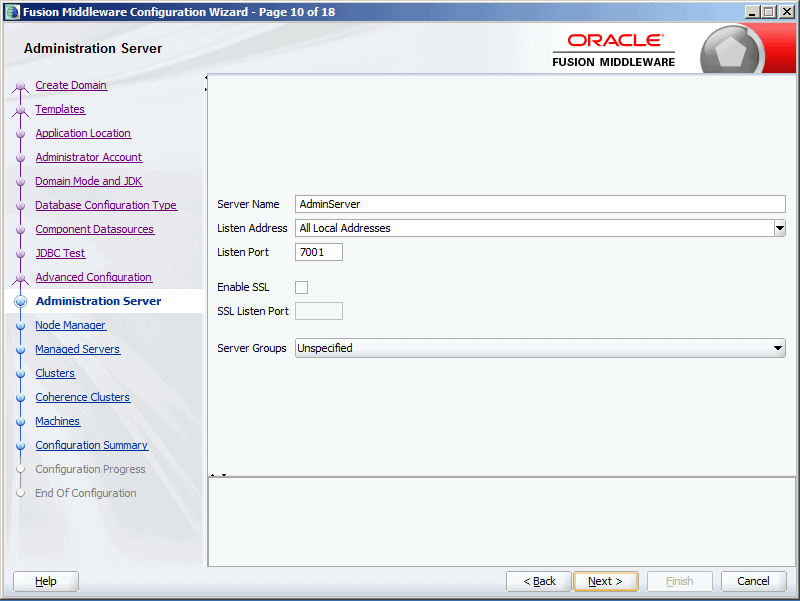
Administration Server
默认7001端口,Next.
wcs53
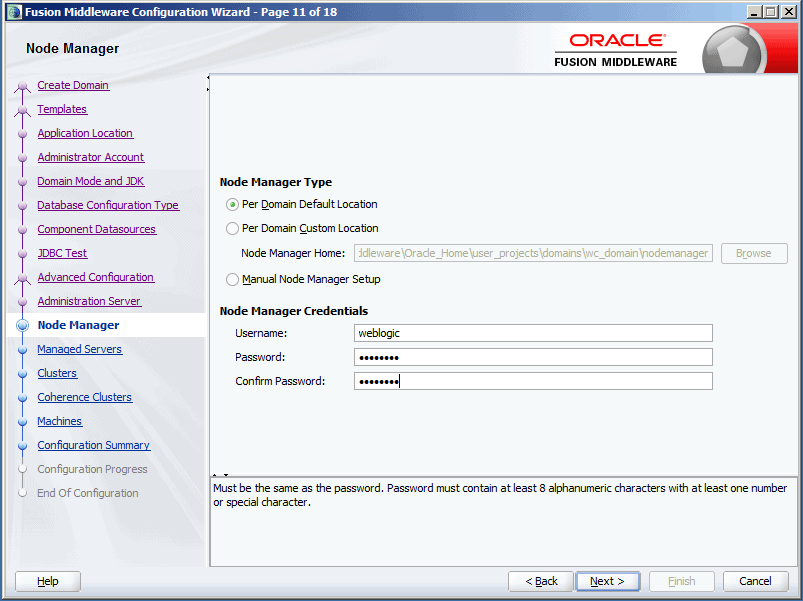
Node Manager
选择Node Manager的类型,输入Node Manager的用户名及密码。
wcs54
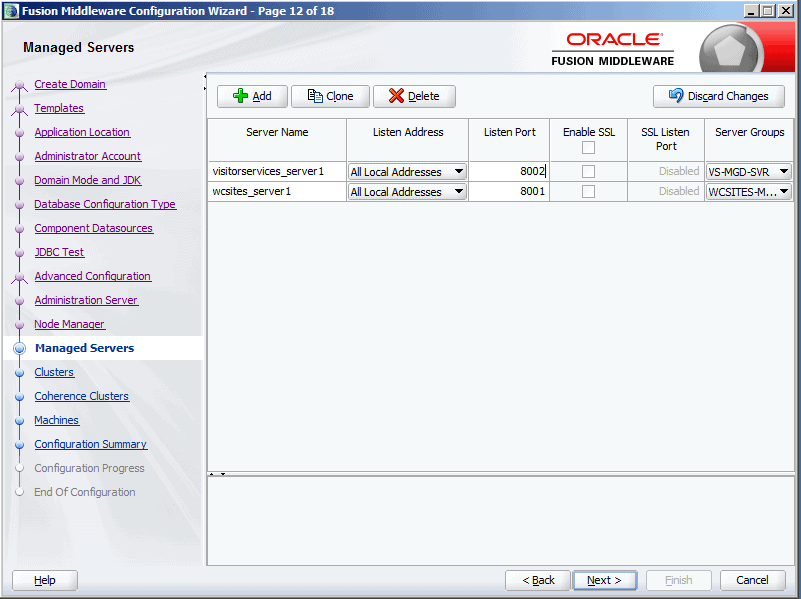
Managed Servers
设定管理服务器的名称及端口,点Next.
wcs55
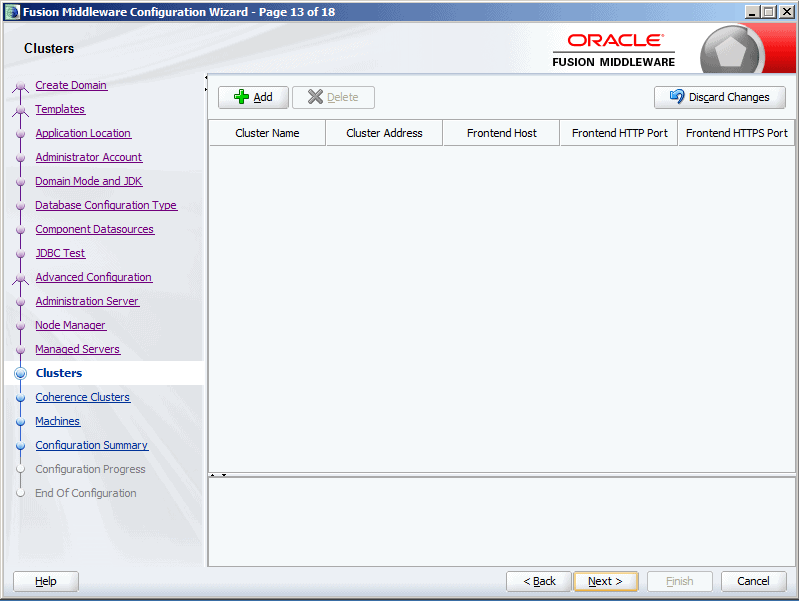
Clusters
直接Next
wcs56
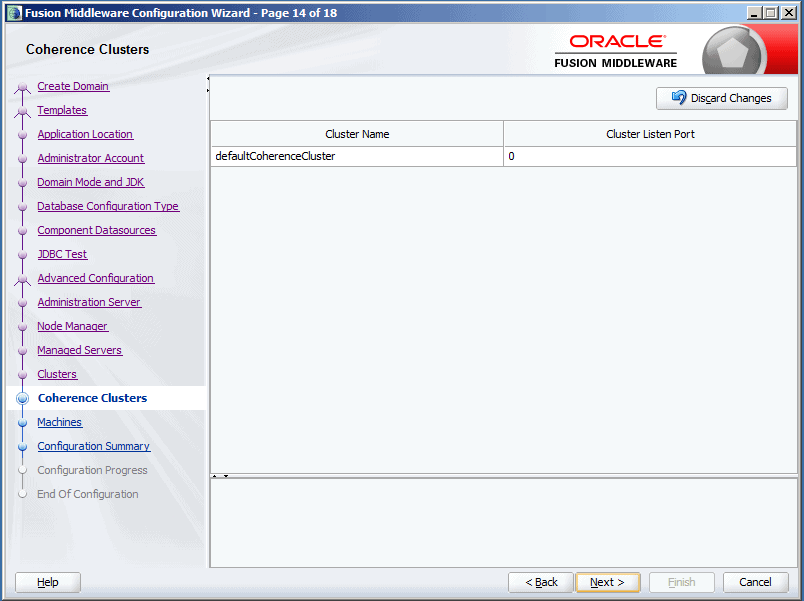
Coherence Clusters
直接Next
wcs57
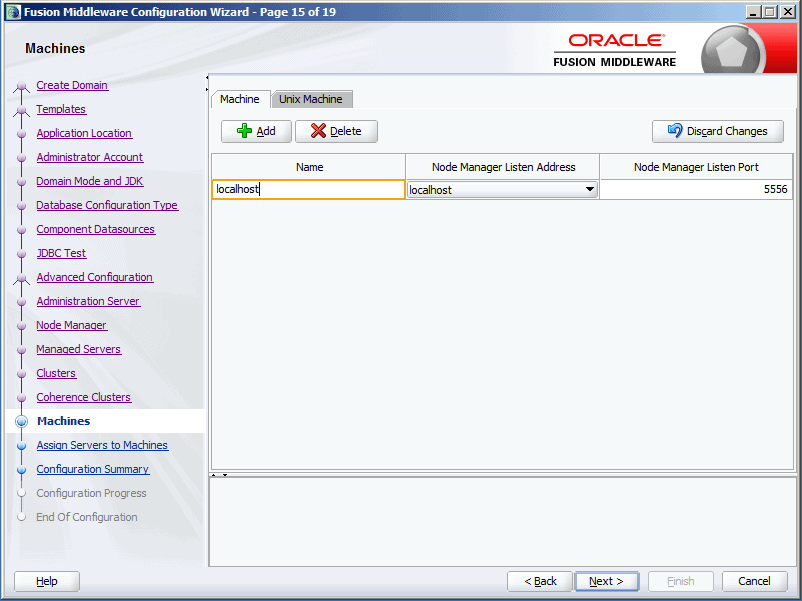
5.10 Machines
输入主机名,点Next.
wcs58
5.11 指定管理服务器给主机
为所有的管理服务器指定给上一步设定的主机名,点Next
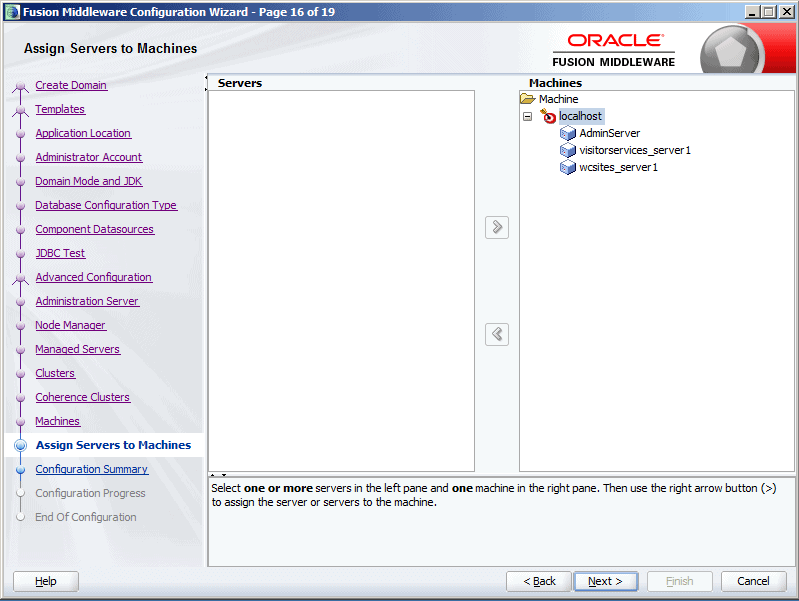
wcs59
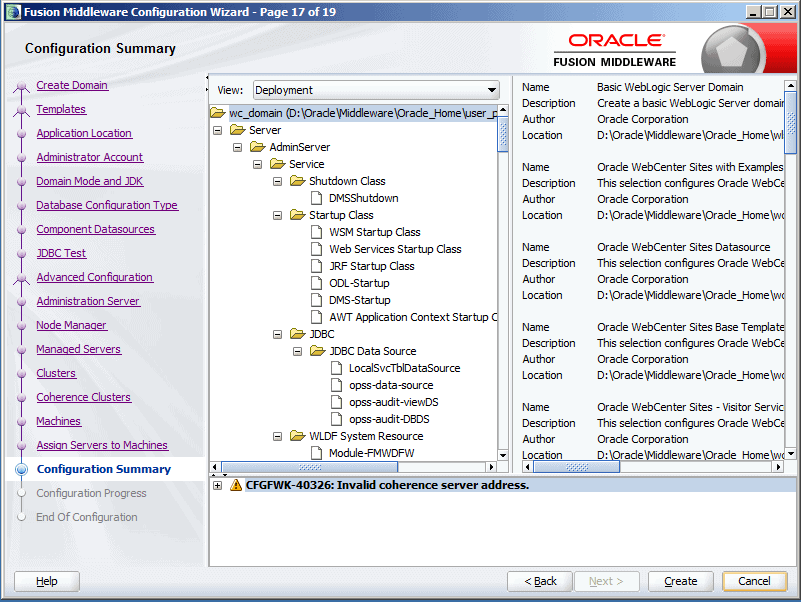
5.12 配置汇总
直接点Create,开始Domain创建。
wcs60
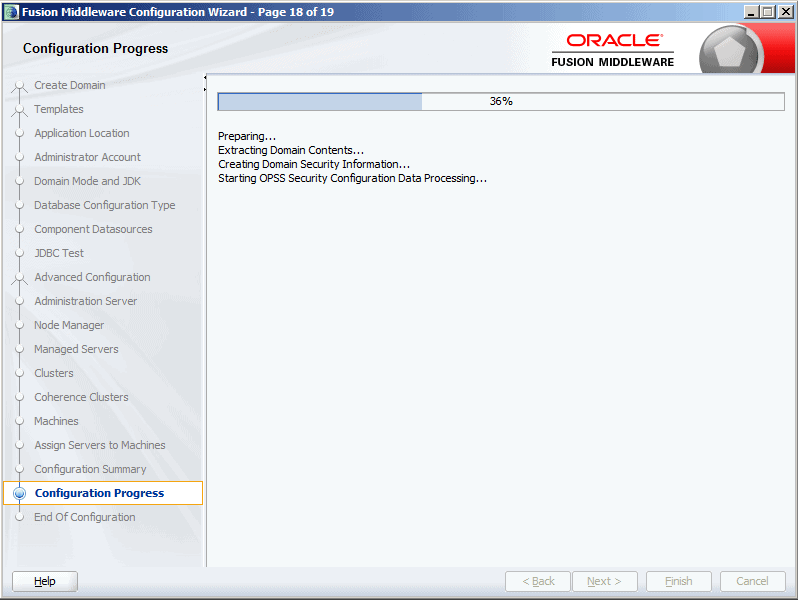
5.13 进行Domain创建
完成配置后点Next
wcs61
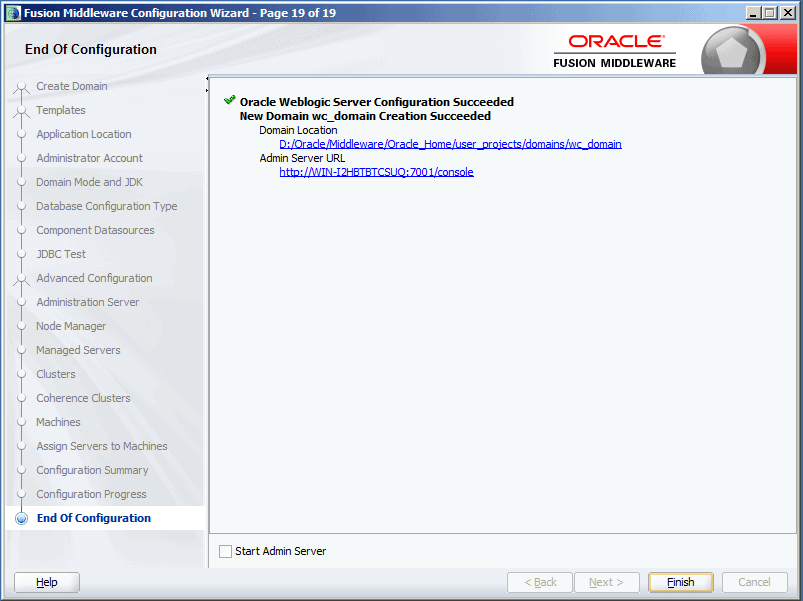
5.14 完成域配置
点击Finish,完成Domain的创建及配置。
wcs62

至此,我们完成了Oracle WebCenter Sites所需Domain及Managed Server的创建,下一步是进一步配置并真正把WebCenter Sites运行起来。
未完待续,To be continued......

评论

此博客中的热门博文

Installing RHEL EPEL Repo on Centos 5.x or 6.x

习惯了用yum来安装东西,试了下这篇文章提到的做法workable,再做一次搬运工。 原文出处: http://www.rackspace.com/knowledge_center/article/installing-rhel-epel-repo-on-centos-5x-or-6x Authored by: Rackspace Support How to install RHEL EPEL repository on Centos 5.x or 6.x The following article will describe how to configure a CentOS 5.x-based or Centos 6.x-based system to use Fedora Epel repos and third party remi package repos. These package repositories are not officially supported by CentOS, but they provide much more current versions of popular applications like PHP or MYSQL. Install the extra repositories The first step requires downloading some RPM files that contain the additional YUM repository definitions. The instructions below point to the 64-bit versions that work with our Cloud Server instances. Centos 5.x wget http://dl.fedoraproject.org/pub/epel/5/x86_64/epel-release-5-4.noarch.rpm wget http://rpms.famillecollet.com/enterprise/remi-release-5.rpm sudo rpm -Uvh remi-release-5*.rpm epel...

64位OEL 6安装Oracle RCU报“libXext.so.6: cannot open shared object file: No such file or directory”的解决方法

在64位的Oracle Enterprise Linux 6上时报“ libXext.so.6: cannot open shared object file: No such file or directory ”的错误,已经装了64位x11相关的包,可见是缺少32位的包引起的。 1.libXext.so.6错误信息如下: 无法使用位置 /home/ecm/oinstall/rcuHome/rcu/log/logdir.2011-12-26_09-54/rcu.log 初始化日志记录程序 使用以下位置初始化日志记录程序: /tmp/logdir.2011-12-26_09-54/rcu.log Exception in thread "main" java.lang.UnsatisfiedLinkError: /home/ecm/oinstall/rcuHome/jdk/jre/lib/i386/xawt/libmawt.so: libXext.so.6: cannot open shared object file: No such file or directory     at java.lang.ClassLoader$NativeLibrary.load(Native Method)     at java.lang.ClassLoader.loadLibrary0(ClassLoader.java:1806)     at java.lang.ClassLoader.loadLibrary(ClassLoader.java:1702)     at java.lang.Runtime.load0(Runtime.java:770)     at java.lang.System.load(System.java:1003)     at java.lang.ClassLoader$NativeLibrary.load(Native Method)     at java.lang.ClassLoader.loadLibrar...

How to Convert a VMware Pre-allocated Virtual Disk to a Growable Virtual Disk

受不了动辄几百G的虚机,记给自己看,只是在网络上搬运,来源在这里: http://www.virtuatopia.com/index.php/How_to_Convert_a_VMware_Pre-allocated_Virtual_Disk_to_a_Growable_Virtual_Disk 。 he vmware-vdiskmanager tool The VMware Disk Management Tool is a command line tool which is installed by default with VMware Server. The executable file is named   vmware-vdiskmanager   and is located in   \Program Files\VMware\VMware Server   on Windows hosts, and   /usr/bin   on Linux systems. The tool accepts a number of command-line arguments, a full listing of which can be obtained by running vmware-vdiskmanager with no options. vmware-vdiskmanager Virtual Disk Types The type to which a virtual disk is to be converted is specified using the -t flag, together with the target disk type. This is represented by a number as outlined in the following table: Type Identifier Description 0 Growable (single .vmdk file) 1 Growable (multiple 2GB files) 2 Pre-allocated (single file) 3 Pre...